
"microbial fermentation"
90 article(s) found

The Origin of Musk Coffee simulated production of microbial fermentation Technology of Kopi Luwak
Coffee knowledge exchange more coffee bean information please follow the coffee workshop (Wechat official account cafe_style) civet coffee (Kopi Luwak) the civet coffee comes from the civet, she is born to choose the most ripe and sweetest fruit, so she will eat ripe red coffee cherries, including coffee pulp and coffee beans, civet digestive tract enzymes will combine with coffee beans

Introduction to PuraCepa microbial Solar treatment in Guatemala _ Information on Coffee beans in Boris Manor
Professional coffee knowledge exchange more coffee bean information please follow the coffee workshop (Wechat official account cafe_style) Biodynamic biodynamic method? Organic organic cultivation? Natural Wine Natural Wine? A wave of returning to nature suddenly blew up in the red wine world, and the natural wine bars in Paris, New York, London, Tokyo and Hong Kong suddenly appeared.
What kind of tea is black tea? Does black tea taste the same as black tea? what's the difference in taste characteristics?
The production of tea is a strict process, which has been developed after hundreds of years of trial and error. Today, scientific research helps us define the chemical processes that take place in all steps of a process, but a long history and conservative process traditions have led to some common misunderstandings and confusing terms. In particular, fermentation is often used to describe the blackening process of tea during processing.

How to distinguish the defective beans from coffee beans
The coffee bean itself is a small, light green bean that turns black by roasting what should be a light turquoise bean. Immature beans are over-fermented in the process of refining, resulting in microbial infection, mixed taste, sour smell, mildew smell, drug flavor (phenolic henoic), etc., which may contain biotoxins. Sour beans / local sour beans: raw beans appear yellow and yellow brown
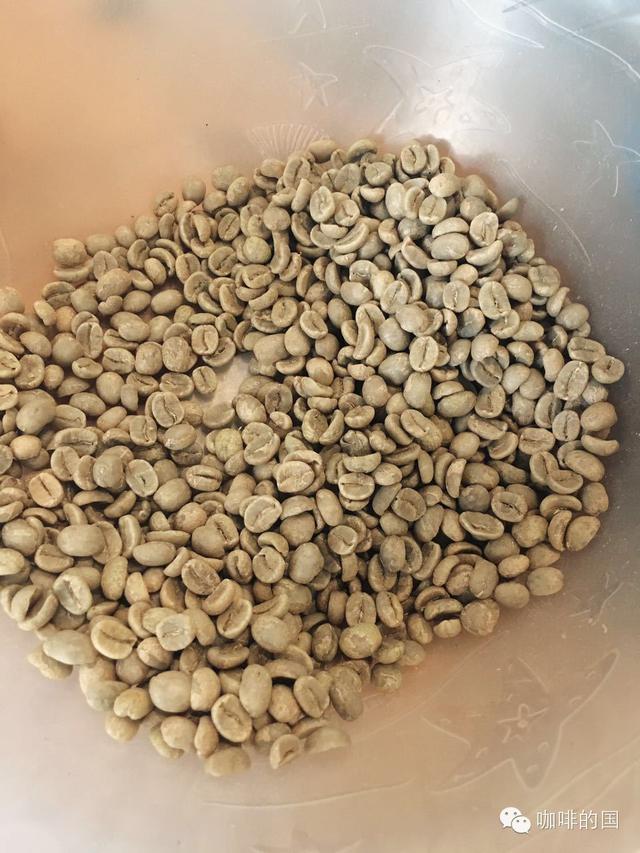
How to select defective beans? What are the categories of defective beans? Recognize all kinds of common defective beans
All black beans / partial black beans: raw beans that are supposed to appear light turquoise turn black. Immature beans are over-fermented in the process of refining, resulting in microbial infection, mixed taste, sour smell, mildew smell, drug taste and so on, which may contain biotoxins. Sour beans / local sour beans: raw beans have a yellow, yellowish-brown or reddish-brown appearance, usually accompanied by blackened germs, harvested or after harvest
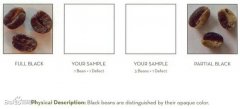
SCAA Fine Coffee grading defective Bean Standard
All black beans / part of black beans appearance features: black opaque raw bean cup sensory features: diversity: fermentation taste, sharp choking taste, turbidity, mildew taste, sharp sour taste, chemical irritation and other single or multiple odors mixture. Cause: excessive fermentation, leading to microbial invasion and infection. Appearance characteristics of whole sour beans / partial sour beans: raw beans have a yellow, yellowish brown or reddish brown appearance, usually
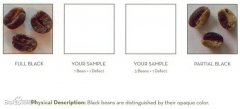
SCAA Fine Coffee Grading All kinds of defective beans
Whole black beans/partial black beans Appearance characteristics: black opaque raw beans Cup sensory characteristics: diversity: fermented flavor, sharp choking flavor, turbidity, mildew, sharp sour flavor, chemical stimulation flavor and other single or multiple odors mixed. Cause: Excessive fermentation, leading to microbial invasion infection. Whole/partial sour beans Appearance characteristics: Raw beans have a yellow, tan or reddish brown appearance, usually

How can the special treatment of coffee beans have the special coffee anaerobic sun treatment reference wine
Professional Coffee knowledge Exchange more information on coffee beans Please follow the coffee workshop (Wechat official account cafe_style) Front Street-about anaerobic sun treatment fermentation after the coffee fruit is picked and before it is dried into coffee beans, a step is fermentation, through organic reactions such as microbial decomposition, the fruit will develop a special acidity, sweetness and flavor. The traditional fermentation process is

A new method of fermentation is called carbon dioxide impregnation.
More information on coffee beans Please follow Coffee Workshop (official account cafe_style of Wechat) # anaerobic treatment and carbon dioxide impregnation there is a new fermentation method that can produce an incredibly unique flavor, it has gained rapid popularity, this fermentation leads to anaerobic fermentation, called carbon dioxide impregnation. Let's divide the terms first.

The difference between carbon dioxide impregnated Coffee and anaerobic fermentation Coffee
Professional coffee knowledge exchange more information about coffee beans Please pay attention to the fermentation in food and beverages in the coffee workshop (Wechat official account cafe_style) has a very long history. Since someone tried to taste those stale foods, fermentation has opened the door to a new world of food taste innovation. The basic knowledge of fermentation the definition of fermentation is more subtle, and different people have different characteristics.

Introduction to the difference of flavor and taste between carbon dioxide impregnated coffee beans and anaerobic treated coffee beans
One of the rapidly popular new processes that can produce an incredibly unique flavor involves anaerobic fermentation, which is called carbonic acid impregnation. Let's first break down the terminology here so as not to get caught up in the details. Anaerobic environment carbon dioxide carbon dioxide-rich environmental impregnation is more inclusive than fermentation, referring to

Costa Rican coffee Costa Rican goddess manor introduction.
For more information on coffee beans, please follow the Coffee Workshop (official Wechat account cafe_style) located in the Tarrazu area of Costa Rica, the Dota area is famous for producing micro-batch geisha varieties. In 1865, the Dota area was known as the good Costa Rican Coffee, because when the highway extending from the capital was developed to the Dota Valley,

Flavor description of coffee beans treated with El Salvador black honey introduction to the regional treatment of manor production
El Salvador Black Honey processing Coffee Bean Flavor description taste Manor production area treatment introduction Honey treatment as an advanced coffee processing method, there is no lack of practitioners in Yunnan. But not everywhere is suitable for the production of honey beans, coffee producing areas are mostly wet and rainy, this process is very easy to make coffee beans fermented mildew, mildew taste. Because honey is used in some places.

Introduction to the flavor description of El Salvador black honey treated coffee bean manor
El Salvador black honey treatment coffee bean manor flavor description compared with other methods, honey treatment is easy to contaminate coffee beans, so it is necessary to pay close attention to the officials, in order to speed up drying and avoid the smell of fermentation. you need to keep turning the coffee beans. The coffee processed by this method is praised as an elegant product because it retains the black sugar of the coffee.

When was the taste characteristics of Yunnan geisha coffee beans introduced into China?
The taste of Yunnan geisha coffee beans is characterized by when the goddess manor planted in China was introduced to grow coffee organically, using native trees and fruit trees as shade. The fertilizer used is also coffee, cherry and fruit mixed with molasses and added to the fertile soil with high mineral content in the adjacent mountain area combined with microbial fermentation to produce organic fertilizer that can enhance coffee value and disease resistance, which is also used.

The significance of Water activity Curve in Solar treatment of Alida Manor Coffee
Wilford Lamastus, the owner of Alida Manor, talks about the process of solarization. The so-called Natural process, strictly speaking, should be called "whole berry drying". It is the oldest and seemingly simplest treatment: for more than a thousand years, the principle is to collect coffee berries, spread them on the ground, dry them, and then remove them.

Brief introduction of Coffee Flavor description and Grinding scale treatment in Las Haas Manor, Costa Rica
The Goddess Manor in Costa Rica was established in 1960. What we have to say about this "goddess" Rosa Xia: the goddess is planted by organic farming, naturally shaded by local native trees and fruit trees, and organic fertilizer uses coffee and cherry pulp to mix molasses. Add fertile soil with high mineral content in the adjacent mountain area with microbial fermentation to produce organic fertilizer that can enhance the disease resistance of coffee.

Is the "yeast treatment" of Rosa rugosa a kind of treatment? Is there any difference between beer and red wine?
Professional coffee knowledge exchange more coffee bean information Please pay attention to coffee workshop (Wechat official account cafe_style) fermentation this word in life is often reminiscent of noodle making cakes, Youtiao, steamed buns, steamed buns, or food spoilage items mildew. Fermentation has been used so much in our daily life that it is so common that we enjoy the variety.

What's so special about red standard Rosa coffee beans treated with yeast? How much is a cup of red label Rosa coffee?
Professional coffee knowledge exchange more coffee bean information Please pay attention to coffee workshop (Wechat official account cafe_style) fermentation this word in life is often reminiscent of noodle making cakes, Youtiao, steamed buns, steamed buns, or food spoilage items mildew. Fermentation has been used so much in our daily life that it is so common that we enjoy the variety.

SCAA's selection of defective beans! The details that most easily affect the variety of coffee beans!
Professional barista communication Please pay attention to the coffee workshop (Wechat official account cafe_style) Coffee raw beans are often mixed with impurities and bad beans, impurities refer to some sand, gravel, dead branches and sundries, and bad beans are often called "defective beans". Before baking, if these impurities and defective beans are not carefully removed manually, it will affect the overall quality of coffee and